

One of Path of Exile’s most defining features is its massive Passive Skill Tree, which offers players unparalleled customization options for their characters. Unlike many other action RPGs, where skill trees are often linear and straightforward, Path of Exile’s tree allows for infinite combinations of skills, passives, and stat bonuses, enabling players to craft truly unique builds. This article explores how the Passive Skill Tree became the ultimate customization system in Path of Exile and how it allows players to define their playstyle in the most intricate ways imaginable.

The Evolution of the Passive Skill Tree
When Path of Exile was first released, the Passive Skill Tree was a bold experiment in character customization. Instead of having multiple, distinct skill trees for each class, the game featured a single, interconnected web of nodes that could be accessed by any character, regardless of their chosen class. This design decision allowed players to freely choose their path, creating unique and powerful builds that were not limited by class restrictions.
Over the years, the Passive Skill Tree has evolved significantly. New nodes and branches have been added to keep up with the expanding content of the game, while existing nodes have been reworked to balance gameplay and offer even more depth. The flexibility and depth of the tree have turned it into one of the game’s most beloved features, allowing players to create specialized builds for almost any playstyle.
- Initial Design: The tree was designed to allow all characters to access the same pool of passive bonuses, breaking away from traditional RPG class limitations.
- Constant Evolution: The tree has evolved over time, with regular updates that expand its reach and depth.
- Player-Centric Development: The tree has become a defining feature of the game, with players continuously discovering new ways to optimize their builds.
The Flexibility and Depth of Customization

What sets Path of Exile’s Passive Skill Tree apart from other games is the sheer depth of customization it offers. Players are not only able to choose from a vast array of offensive, defensive, and utility-based nodes, but they are also free to specialize in specific areas of the game. Whether focusing on improving elemental damage, physical damage, energy shield, or movement speed, the tree offers a wide range of opportunities for players to fine-tune their character to fit their desired playstyle.
This level of customization is particularly apparent in the way players can adapt their builds to their preferred playstyle. For example, players can choose to focus on maximizing damage output, boosting their survivability through armor or energy shield, or increasing their mobility to avoid enemy attacks. The flexibility of the Passive Skill Tree allows players to experiment with different synergies, creating truly unique builds that reflect their individual preferences.
- Variety of Nodes: The tree offers a vast selection of nodes that allow for specialization in offense, defense, and utility.
- Build Synergies: Players can experiment with different node combinations to create powerful synergies that suit their preferred playstyle.
- Adaptability: The Passive Skill Tree allows players to easily adapt their build to different content and challenges.
Balancing Power and Complexity
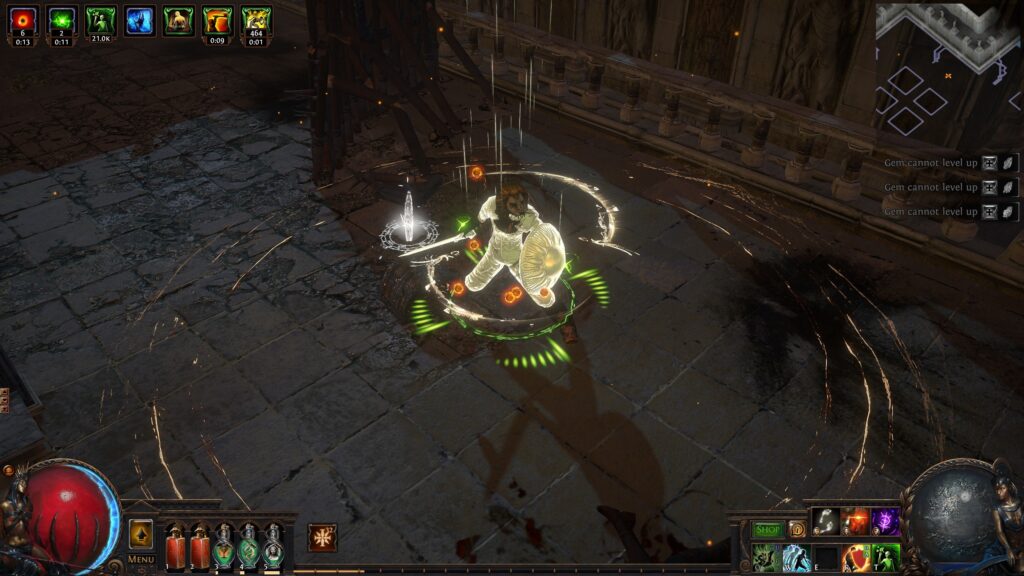
While the Passive Skill Tree offers incredible customization, it also requires players to carefully balance power and complexity. The tree is massive, with hundreds of nodes to choose from, and players must carefully navigate it to avoid inefficient or suboptimal builds. Unlike simpler RPG systems where choices are more straightforward, Path of Exile’s tree challenges players to make difficult decisions about how to allocate their passive skill points.
This complexity is one of the reasons why Path of Exile appeals to hardcore players who enjoy the challenge of theorycrafting and optimizing their builds. The tree’s complexity adds depth to the game, making each new character feel unique and exciting. However, it also requires players to invest time and effort into learning the intricacies of the system to avoid making mistakes that could hinder their progress.
- Depth of Choice: The vast number of nodes requires careful planning to avoid inefficient builds.
- Player Investment: Hardcore players are drawn to the depth and complexity of the system, making each build a new challenge.
- Trial and Error: Players learn by experimenting with different builds, testing their strategies, and optimizing their characters.
Conclusion

Path of Exile’s Passive Skill Tree has become the ultimate character customization system because of its depth, flexibility, and constant evolution. It allows players to craft their own unique builds, providing endless opportunities for experimentation and optimization. While the system’s complexity may seem daunting to newcomers, it rewards players with a sense of accomplishment and mastery as they learn to navigate the tree and create powerful, personalized builds. The Passive Skill Tree is more than just a set of stats and skills — it’s a central feature of Path of Exile’s identity, offering unmatched customization and strategic depth for players who seek it.
Leave a Reply