
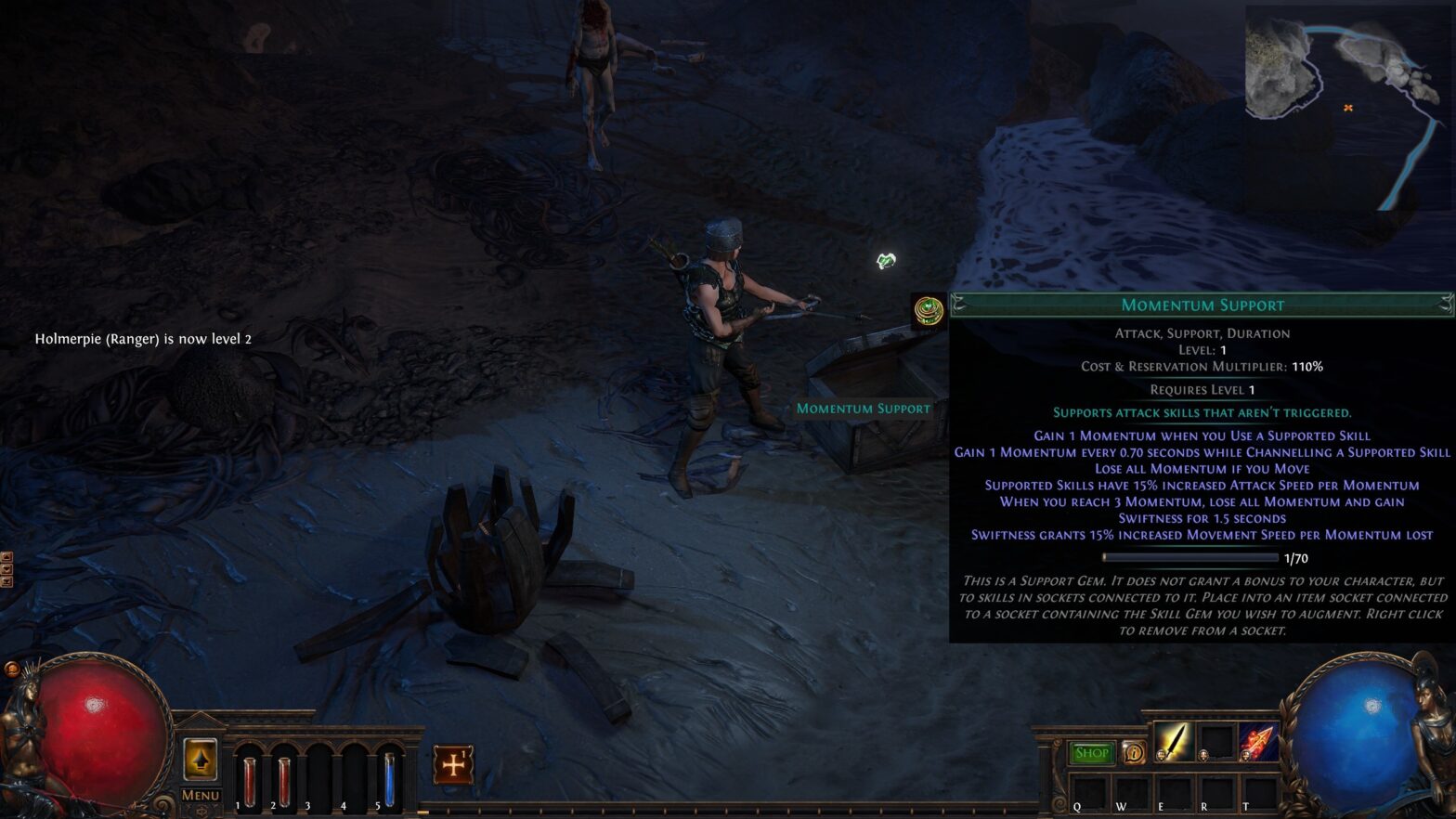
Path of Exile leagues often introduce mechanics that initially feel experimental, strange, or even disposable. At launch, many of these systems appear flashy but shallow, designed to add temporary novelty rather than long-term value. Players approach them cautiously, unsure whether investing time will pay off before the league ends.
Yet history shows that some of these so-called gimmicks quietly mature into foundational systems that reshape how the game is played. What begins as optional interaction can evolve into a permanent layer of progression, influencing builds, economy, and long-term player habits far beyond its original scope.
Early Skepticism Toward New Mechanics
When a new league launches, skepticism is natural. Players evaluate mechanics quickly, asking whether they interrupt flow, slow progression, or dilute core gameplay. Early impressions are shaped by rough balance, unclear rewards, and unfamiliar interfaces.
Many mechanics feel awkward during their first iterations, lacking refinement or integration with existing systems. This initial discomfort often leads players to dismiss them as temporary distractions. However, this early stage is also when developers observe player behavior, identifying which elements resonate and which need adjustment. What feels clumsy at first may simply be unfinished rather than flawed.
Iteration Transforming Novelty Into Structure
Mechanics that survive beyond their league do so through iteration. Over time, rewards are clarified, pacing improves, and interactions become more intuitive.
Crucially, successful systems integrate naturally into existing progression rather than competing with it. Instead of feeling mandatory or intrusive, they begin to complement mapping, crafting, or character development. This transition is gradual, often unnoticed until players realize they would miss the mechanic if it disappeared. At that point, novelty has been replaced by structure, and the system becomes part of the game’s identity rather than an optional feature.
Player Adaptation Driving Long-Term Adoption
Players play a significant role in determining which mechanics endure. Once strategies, builds, and farming routes emerge around a system, it gains legitimacy. Content creators, theorycrafters, and community discussion accelerate this process, transforming uncertainty into shared understanding.
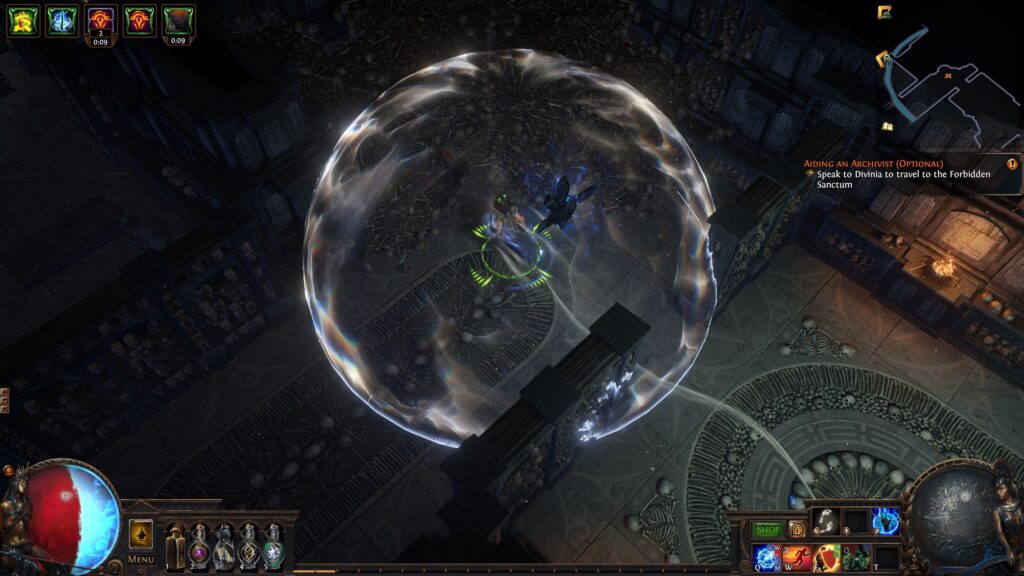
As players learn to extract consistent value, resistance fades. What once felt disruptive becomes routine, and routine is the strongest indicator of permanence. When players stop asking whether they should engage and instead ask how best to engage, a mechanic has crossed an invisible threshold into core gameplay.
Traits of League Mechanics That Become Core Systems
While not all league mechanics endure, those that do share common characteristics that allow them to integrate cleanly into long-term play.
- They scale naturally with player progression
- They offer meaningful choices rather than forced interaction
- They integrate with existing systems like crafting or mapping
- They reward mastery without punishing casual engagement
These traits ensure that a mechanic adds depth rather than clutter, making it viable as a permanent feature.
Why Gimmicks Are Necessary for Evolution
Experimental mechanics allow Path of Exile to evolve without risking the stability of its core systems. Even mechanics that fail provide valuable data, informing future designs. Those that succeed often do so because they explore new forms of interaction or progression that would be difficult to introduce directly. Gimmicks serve as testing grounds, filtering ideas through real player behavior. When one survives, it represents a successful experiment rather than an accident.
Conclusion
League mechanics that begin as gimmicks and end as core systems follow a path shaped by iteration, player adaptation, and integration.
Their evolution reflects Path of Exile’s willingness to experiment while respecting long-term depth. What starts as novelty becomes foundation when design, player behavior, and progression align over time.
Leave a Reply